Healthy air in tightly sealed homes
As Canadian houses are built more airtight to cut heating costs, mechanical ventilation decides how fresh the indoor air actually is. This reference explains heat- and energy-recovery ventilation, humidity control, and routine upkeep in plain language.

Where to start
Three focused guides cover the questions homeowners ask most often after a blower-door test or a winter condensation problem.
HRV vs. ERV: which one a Canadian home needs
How heat- and energy-recovery cores differ, and why climate zone and indoor humidity drive the choice.
Managing indoor humidity through the seasons
Target relative-humidity ranges, window condensation, and balancing comfort against frost risk.
A seasonal ventilation maintenance checklist
Filters, cores, drains and grilles — what to clean, how often, and what a clogged system feels like.
Airtight construction changes the rules
Older houses leaked enough air through gaps and around windows to dilute moisture and indoor pollutants on their own. Modern Canadian building practice deliberately reduces that leakage to save heating energy, which means fresh air now has to be supplied on purpose.
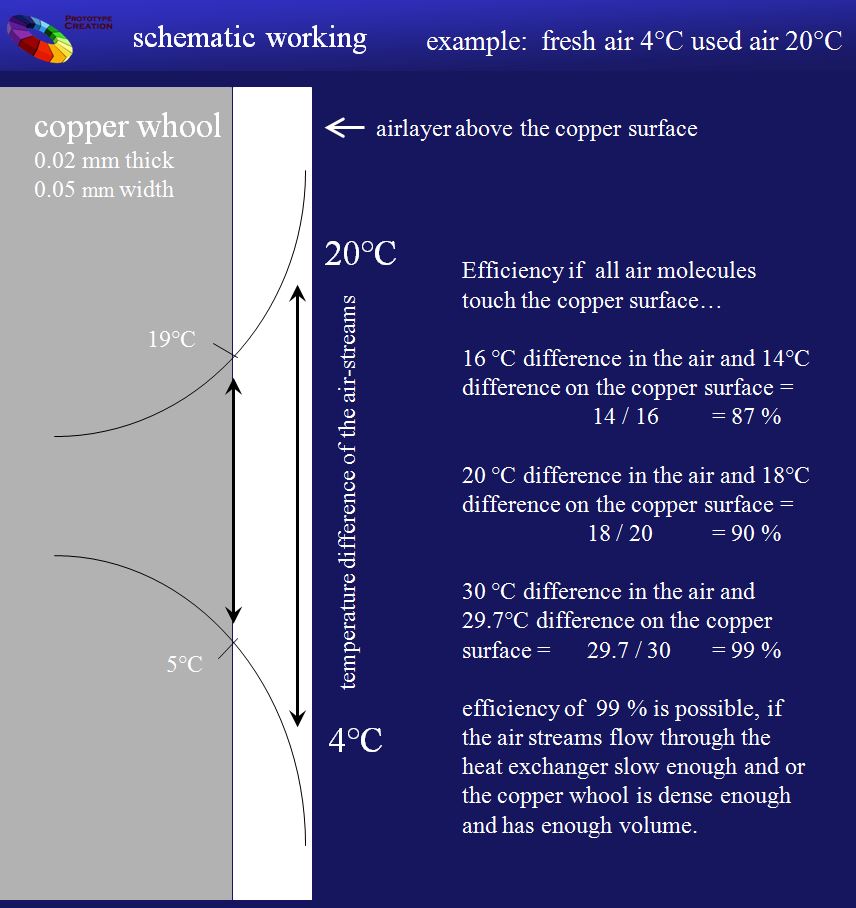
Balanced mechanical ventilation with heat recovery is the common answer: it brings in outdoor air, removes stale indoor air, and recovers most of the heat that would otherwise be lost in winter.
A useful rule of thumb
If your windows fog up on cold mornings or the air feels stuffy by evening, ventilation and humidity — not the furnace — are usually the place to look first.
HRV and ERV side by side
| Aspect | HRV (Heat Recovery) | ERV (Energy Recovery) |
|---|---|---|
| Transfers heat | Yes | Yes |
| Transfers moisture | No | Partially |
| Tends to suit | Cold, drier winters | Homes prone to very dry or very humid air |
| Winter effect indoors | Can lower indoor humidity | Helps retain some indoor humidity |
Send a question
Have a correction or a topic you would like covered? Use the form to get in touch. This is an informational reference, not a repair service.